Background
I would have to believe many people remember a time pre covid 19 when the price things was less, just less. Then the pandemic came and prices of everything rose. I remember being on a scissor lift when a coworker walked by to say, "their buying up all the toilet paper and chicken. You'd better get to the store before it's all gone!". At that moment I didn't know what to think. I guess I didn't think it could be true. But as we all found out, that moment was the "canary in the coal mine." It wasn't just a temporary shortage; it was the start of a fundamental shift in how we pay for the basic necessities of life.
Progression to Current Day
Following those initial shortages, we entered a multi- year cycle of "sticker stock." From 2021 through 2024, we saw inflation hit levels note seen in forty years. It wasn't just the supply chain anymore; it was the perfect storm.
- Energy costs: Fluctuating oil prices that made it expensive to move goods from farm to stores.
- Global conflict: Wars that disrupted grain and fertilizer exports.
- Labor shifts: A massive change in the workforce that drove up wages--and subsequently, the casts passed on to consumers.
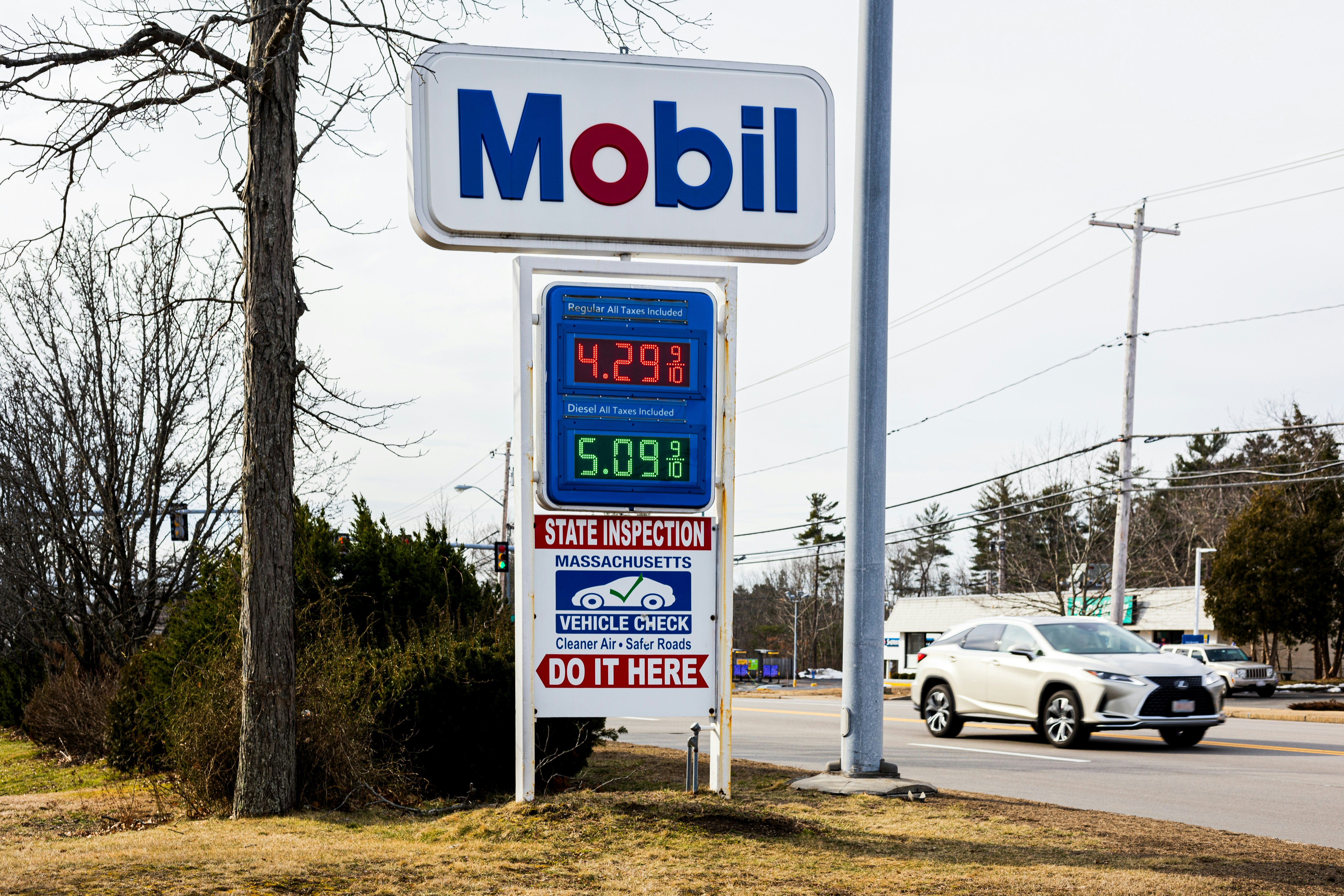
By 2024, the "shortage" of chickens was replaced by the "crisis" of $7/dozen eggs and $5/gallon gas in many parts of the country. We stopped Worrying if the store shelves would be empty and started worrying if our bank accounts would be.
Current DayAs we step into 2026, the news is a mixed bag. The "wildfire" of inflation has mostly been contained, but the "char" remains.
- At the Pump: There is some relief here. The national average for gas settled around $3.00 per gallon. In many states, you can even find it for $2.75 or less, thanks to increased domestic production and a global surplus of oil.
- At the Checkout: Groceries remain the biggest headache. While the rate at which prices are rising has slowed down to about 2.7%, prices haven't actually dropped back to those "pre-COVID" levels we miss. We are still paying about 25% more for food than we did in 2019. Items like beef and dairy continue to be expensive due to smaller cattle herds and high feed costs
Proposed Changes
To get prices back under control—or at least to help our paychecks keep up—several major changes are being debated and implemented right now:
- Deregulation and Energy Production: There is a heavy push to slash "red tape" for oil and gas drilling. The goal is to keep fuel costs low, which lowers the cost of everything that requires a truck to deliver.
- Tariff Dividends: There is talk of using revenue from new import tariffs to send "relief checks" (some as high as $2,000) directly to households to offset the cost of living.
- Supply Chain Onshoring: Moving manufacturing and food processing back to the U.S. to ensure that the next global crisis doesn't leave us staring at empty shelves or $10 milk.
Conclusion
The "truth" about gas and grocery prices is that we are living in a new
economic reality. The days of "just less" prices from the 2010s may be gone
for good, but the chaos of the early 2020s is finally starting to settle.
We’ve moved from a state of panic to a state of persistence. While we may
never see 2019 prices again, the focus for 2026 is clear: stabilizing the
cost of living so that a trip to the grocery store doesn't feel like a high-stakes gamble.